
Stonecrest Neighbor Record Sources
No single public roll lists every household around a Stonecrest address. The strongest start is the DeKalb parcel map, which displays adjoining lots and links land to owner names. The tax roll adds owner mailing and property facts. Other sources answer narrower questions and carry different access limits.
| Source | What It Shows About a Block | Access |
|---|---|---|
| DeKalb Parcel Viewer | Lot shapes, adjacent parcels, mapped ownership | Free online viewer |
| DeKalb Property Appraisal | Owner, situs, mailing address, parcel facts | Free online search |
| Georgia voter records | Registration evidence under access rules | Personal lookup or regulated list order |
| Local community sources | Voluntarily published contacts and history | Public pages or archive request |
| Criss-cross directories | Earlier households listed by street | Library or archive |
Ownership is not occupancy. A mailing address matching the situs address can support owner-occupancy, but it still does not prove who else lives there. A homestead indicator is another qualified clue, not a household roster. Apartment, hotel, retail, conservation, and industrial parcels are especially unlikely to identify individual neighbors.
Stonecrest Blocks Differ by Area
Interstate 20 divides distinct record landscapes. Southern Stonecrest includes former farmland and suburban neighborhoods where plats, lot-and-block descriptions, and household-oriented directories can work well. Northern quarry, warehouse, and logistics tracts often return corporations and large parcels. The Mall at Stonecrest corridor adds apartments, hotels, and retail sites where parcel ownership says little about occupants.
Flat Rock, Arabia Mountain, Panola, Browns Mill, and subdivision names are useful search terms. Historic sources may place the same area under Lithonia, Stone Mountain, or unincorporated DeKalb. USPS acceptance of Stonecrest as a mailing-city alternative did not erase those labels.
Open the Stonecrest Parcel Map
The Stonecrest GIS page links the official city map and DeKalb parcel resources. Use the city layer to decide whether a postal Stonecrest or Lithonia address falls inside municipal limits, then use the county viewer for the individual lots around it.
Maps show legal geography, not a complete household. Parcel boundaries and mapped owners can also lag a newly recorded deed. Confirm a name on the appraisal card and, when needed, the clerk's deed index before treating it as current.
Map a Stonecrest Block
Enter one exact address in the DeKalb parcel viewer and confirm its parcel ID. Then move outward one lot at a time. Record the mapped owner and parcel ID for each adjoining lot, and open the corresponding appraisal card. This keeps similarly named streets and duplicate owner names from being mixed.
- Locate the address in the DeKalb Parcel Viewer.
- Click each surrounding parcel and save its parcel ID.
- Compare situs and mailing addresses on each appraisal record.
- Switch to the street workflow when the question extends beyond the immediate block.
The county Mapping Team can confirm the latest deed or plat book and page when given an address or parcel ID. It does not supply surveys or decide boundary disputes. For an entire named road, follow the Stonecrest street directory workflow instead.
Community Memory Beyond Parcels
Flat Rock Archives preserves community, family, church, and cemetery connections that a tax roll cannot show. The Arabia Mountain National Heritage Area adds historic farms, quarry sites, churches, buildings, and place names. DeKalb History Center holds oral histories, photographs, newspapers, directories, and biographical files.
These sources matter because printed ownership can understate long community continuity, especially in Flat Rock. Voluntary HOA, congregation, alumni, chamber, and civic rosters are different. Use only contacts intentionally made public. Do not ask an organization to disclose a private member list.
Search tip. For same-name people, a quarry occupation, church, cemetery, subdivision, or legal description can distinguish one Stonecrest connection from another.
Check Safety Records Carefully
The Georgia Department of Corrections locator searches state custody and supervision data, not every person with a criminal case.
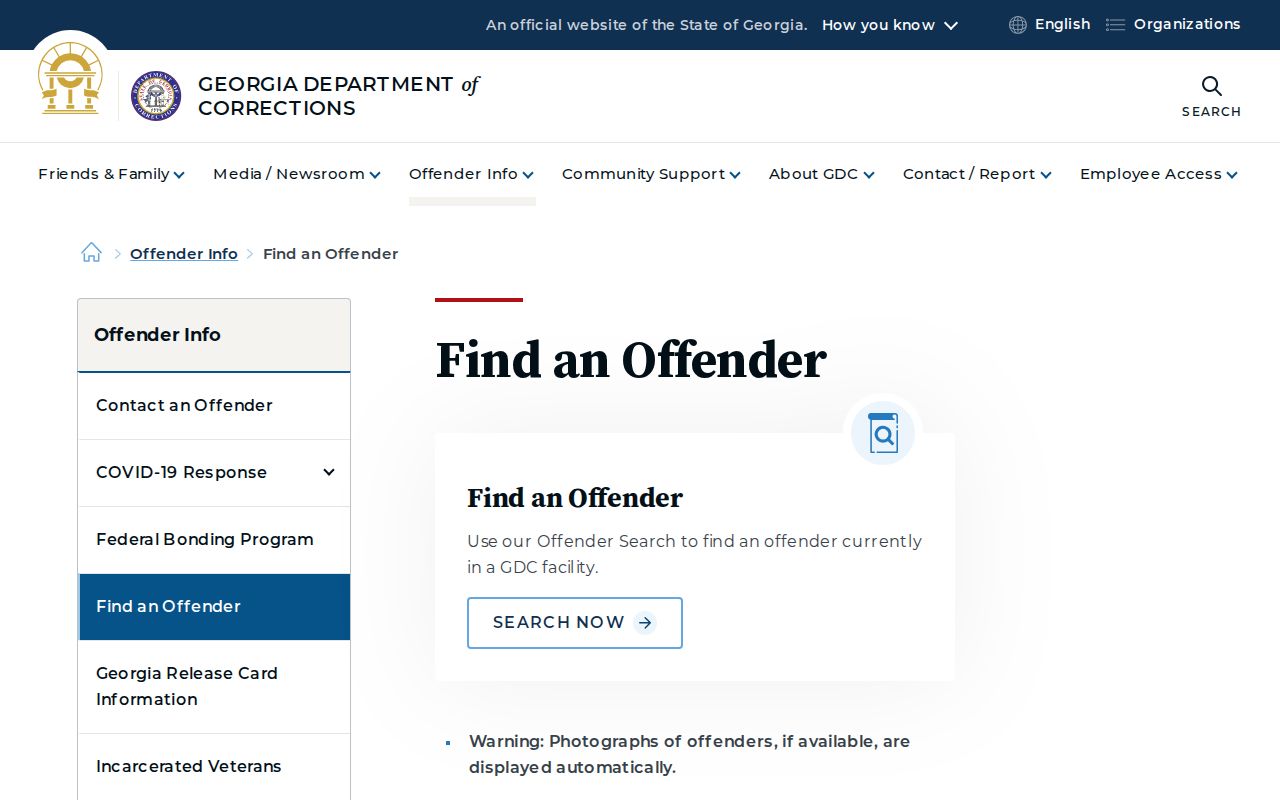
Verify a possible match with Inmate Records because names can repeat and status changes.
The Georgia Bureau of Investigation services include the state sex offender registry.
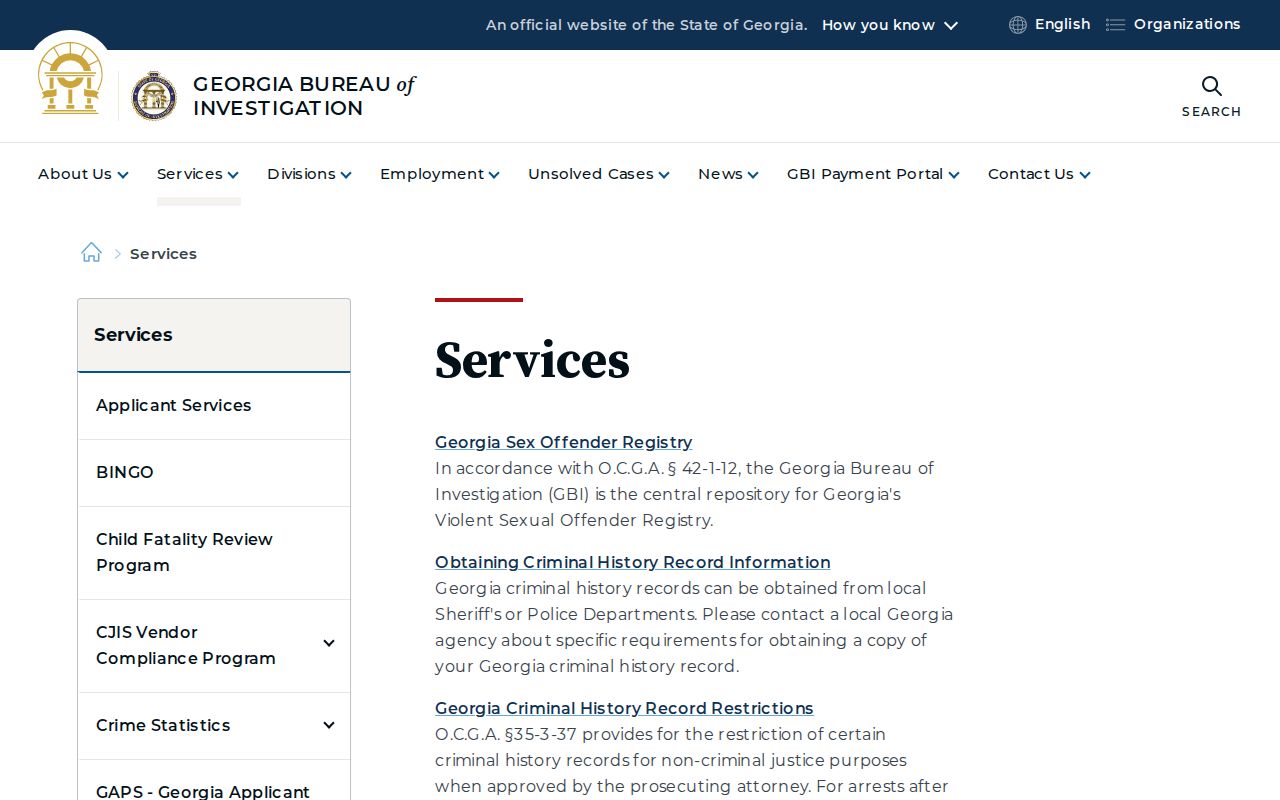
A registry record should be read from the official source, with its identifiers and current verification date.
Georgia Felon Search is a paid name-based search with a charge for each selected record, including a no-record result.
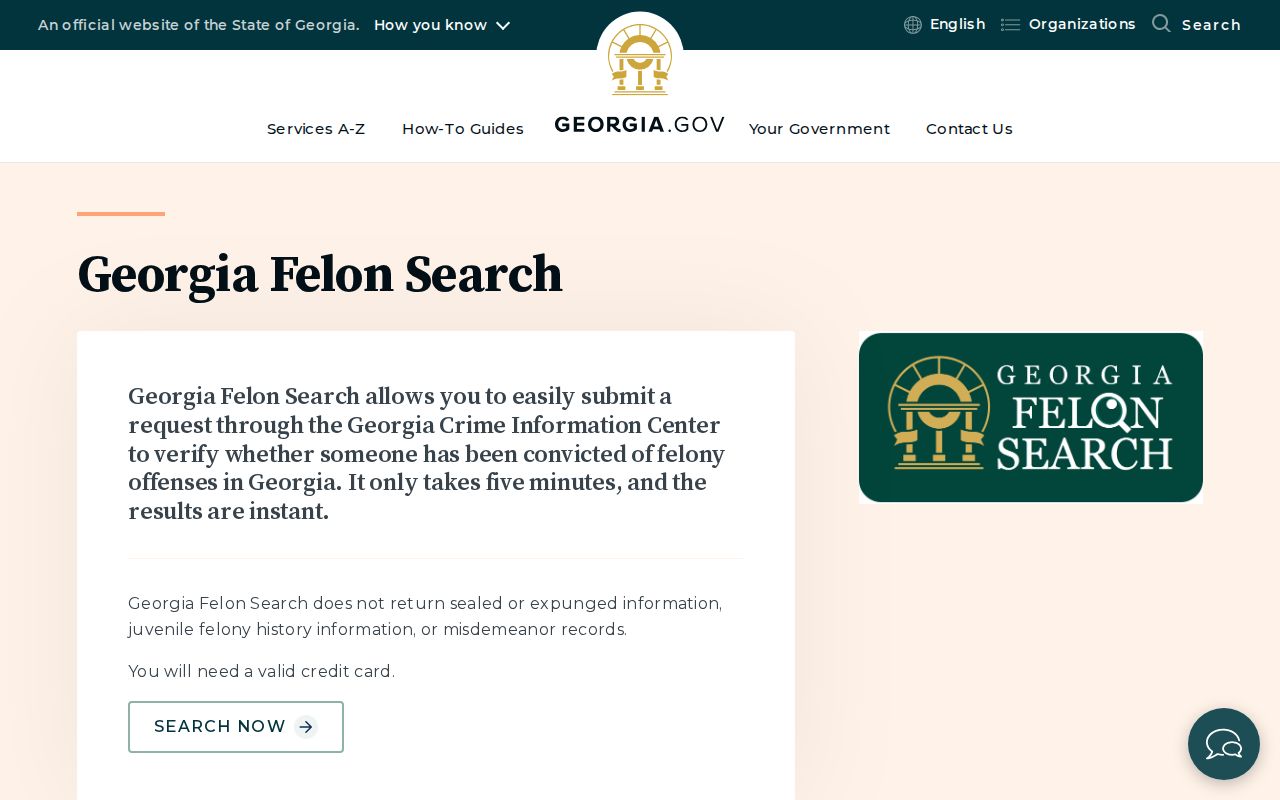
It is not a neighborhood roster and should never replace identity matching across official details.
Official Versus Commercial Lookups
Official records are narrower but clearer about their custodian and purpose. Commercial tools may combine stale addresses, relatives, and phone data without showing the original record date. Treat an aggregator result only as a lead and correct errors at the source first.
| Source Type | Strength | Limit |
|---|---|---|
| County parcel and tax | Current mapped ownership | Does not list every occupant |
| State registry | Official status and identifiers | Narrow subject and coverage |
| Commercial compilation | Broad name/address leads | May be stale or wrongly merged |
Privacy for Stonecrest Neighbors
Georgia exempts or redacts Social Security numbers, financial data, month and day of birth, and some officials' home information. VoteSafe protects qualified voter addresses. Safe at Home provides designated public-record addresses for eligible survivors and others facing harm. A blank or substitute address is not an invitation to search around the safeguard.
The 2025 Open Records Act amendment changed parts of Georgia's public-record framework, including records held by private persons or entities. The official legislation page records that development.
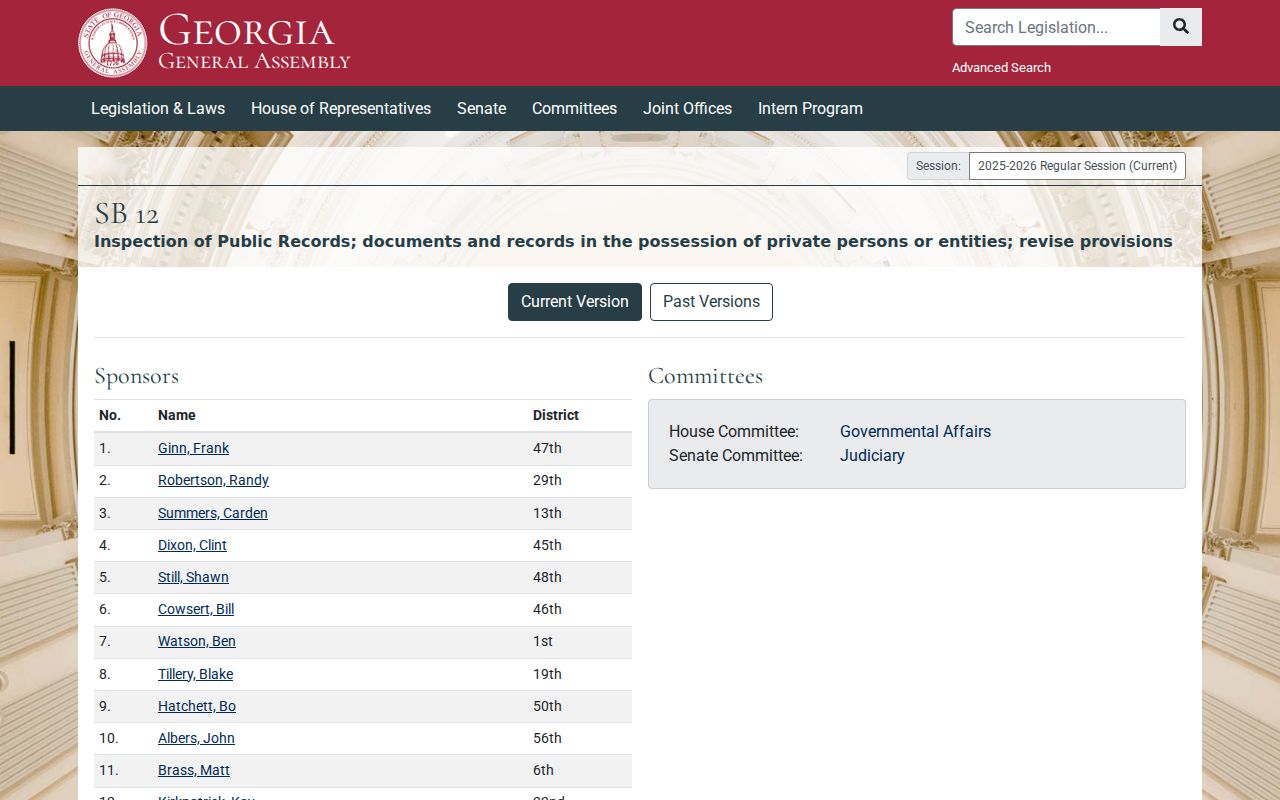
Always rely on current custodian guidance rather than an old summary of the law.
Lawful use. Neighbor research is for civic curiosity, reconnecting, and personal safety. Never use an address to watch, contact, threaten, or harass someone.
Verify Stonecrest Neighbor Names
A name on one parcel should be tested before it is tied to a person. Begin with the parcel ID, not just the street label. The DeKalb appraisal record can show the owner, property class, legal description, assessed values, sales, and mailing address. Compare the mailing address with the situs address, which means the physical location. A match supports owner-occupancy, but does not prove the owner is present today or identify other members of the household.
Next, open the acquisition deed through the DeKalb Clerk of Superior Court's Real Estate Division. The deed can confirm the grantee, vesting names, recording date, instrument or book and page, return address, and legal description. It proves the title transfer, not residence. If a business owns the parcel, the Georgia Corporations Division can identify the entity's status and registered agent. An agent or principal office address is not automatically a home address.
Permit and code records add a city layer. Stonecrest uses CitizenServe internally for building, licensing, and code work. When no public search is available, request an existing record by address, parcel ID, permit or case number, department, and date range. A code file may name an owner, occupant, manager, or person with legal control. Those roles differ, so read the field label instead of calling every listed person a resident.
Use time as the final check. Record the date of each source, then prefer the most recent official item with a unique key. A deed followed by an updated appraisal card is stronger than a commercial address compilation. A historic directory is strong evidence for its publication year, not for the current block. If sources disagree, contact the custodian and keep the conflict visible until it is resolved.